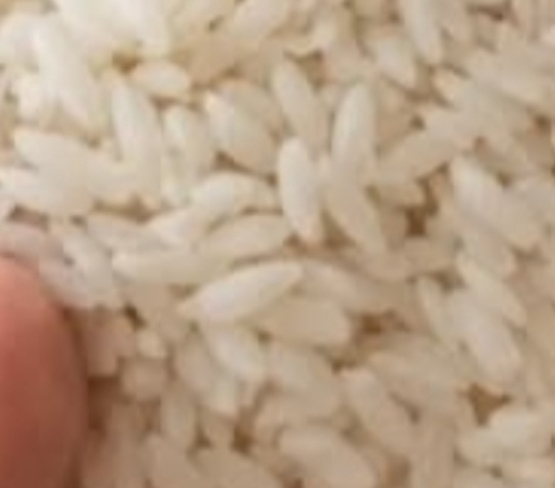
Every time you rinse rice before cooking, that cloudy white water usually goes straight down the drain without a second thought. It’s a habit many people have followed for years—discarding a byproduct that could easily become part of a simple daily beauty routine. Meanwhile, countless people spend money on expensive skincare and hair products, unaware that a powerful, natural option is already sitting in their kitchen.Keep reading, because later in this guide you’ll discover a little-known preparation trick that most tutorials skip—backed by both tradition and modern research.Why Rice Water Has Been a Beauty Secret for CenturiesRice water—the starchy liquid left after soaking or rinsing rice—has been used for generations in Asian beauty rituals. Women in Japan, Korea, and China have long valued it for helping maintain healthy-looking skin and strong, shiny hair.Its appeal is simple: it’s free, easy to prepare, and packed with natural compounds released from rice grains. But what actually makes rice water so special?Let’s take a closer look.The Science Behind Rice Water’s Potential BenefitsWhen rice is soaked, it releases nutrients such as inositol (linked to elasticity), amino acids (the building blocks of repair), and vitamins like B and E. It also contains ferulic acid, a known antioxidant, and allantoin, recognized for its soothing properties.Research published in journals like the Journal of Cosmetic Dermatology has explored how these components may help support the skin barrier and improve hair resilience when applied topically. Studies in the International Journal of Cosmetic Science suggest that inositol may reduce surface friction on hair strands, helping to minimize breakage.The best part? You can access these benefits at home without spending a single dollar.Key Compounds in Rice WaterInositol – supports follicle strength and skin flexibilityAmino acids – help maintain healthy skin and hair structureVitamins B, C, and E – protect against environmental stressorsFerulic acid & allantoin – provide natural soothing effectsNow, let’s move on to practical ways to use it.Using Rice Water as a Gentle Facial TonerMany people chase that fresh, glowing look promoted in skincare trends. Rice water can work as a simple toner, helping balance the skin’s pH and gently remove excess oil.Its traditional use in Korea and Japan dates back centuries—long before commercial skincare existed. With consistent use, many people notice calmer skin and a brighter tone.How to Use:Soak a cotton pad with chilled rice waterGently swipe over clean skin morning and nightApply your usual moisturizer (no need to rinse) Tip: Store rice water in a spray bottle in the refrigerator for an instant refreshing mist during the day.But that’s only the beginning.A Simple Way to Support Natural Skin FirmnessTime and environmental exposure can reduce skin elasticity. The antioxidants in rice water may help counter daily oxidative stress.A 2018 study noted that fermented versions could support collagen in skin cells and offer UV protection in lab settings. That’s why many people include it in their nighttime routine.Simple Routine:Cleanse your face as usualApply diluted fermented rice water with clean handsLet it dry for 5–10 minutesFollow with your regular serum or creamConsistency is key—many users report smoother texture after a few weeks.The Traditional Hair Rinse of the Yao WomenThe Yao women of southern China are famous for their incredibly long hair, often exceeding five feet in length. Their secret? Regular rinses with fermented rice water.Research indicates that inositol coats the hair and may significantly reduce breakage.How to Use (1–2 times per week):Wash hair as normalPour 1–2 cups of fermented rice water over hairMassage into scalp for a few minutesLeave on for 10–20 minutesRinse with cool waterMany people notice instant shine and a stronger feel with continued use.Soothing Irritated Skin with a Relaxing BathThe gentle nature of rice water makes it ideal for sensitive skin. In many Asian households, it’s added to bathwater to calm minor discomfort, itchiness, or post-sun exposure.Simple Method:Add 1–2 cups of rice water to warm bathwaterSoak for 15–20 minutesPat skin dry without rinsingBoiled Rice Water for Gentle HydrationIn several cultures, boiled rice water is traditionally consumed for mild digestive discomfort or hydration. The cooking process releases simple starches and electrolytes.
 Important: Always boil rice water for at least 10 minutes and let it cool before drinking. Never consume raw or fermented rice water.How to Make Rice Water at Home – Two Easy MethodsMethod 1: Soaked Rice Water (Best for Skin)Rinse ½ cup organic ricePlace in a bowl with 2 cups filtered waterLet sit for 30 minutes, stirring occasionallyStrain liquid into a clean jarMethod 2: Fermented Rice Water (Best for Hair)Start with the soaking methodTransfer liquid to a glass jarLet ferment 24–48 hours at room temperatureRefrigerate and dilute before useQuick Comparison:Type Best For Strength Fridge LifeNon-fermented Face & sensitive skin Gentle 4–5 daysFermented Hair & firmness Stronger Up to 7 days
 Little-known trick: In warm climates, allowing slightly longer fermentation can intensify benefits without making the smell too strong.Safety & Storage TipsStart with small amountsAlways do a patch testUse organic rice when possibleDiscard if it smells bad or shows moldStore in the refrigerator at all timesReady to Try Rice Water?Next time you prepare rice, save the rinse water instead of pouring it away. In just a few minutes, you can create a toner, hair rinse, or soothing bath that’s been used for generations.A small change in the kitchen can make a big difference in your self-care routine.
Rice Water: How to Turn Cloudy Rinse Water into a Natural Beauty Boost for Skin and Hair