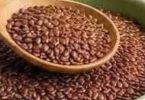
Many people slice open a ripe papaya, scoop out the shiny black seeds, and toss them straight into the trash without a second thought. But what if those often-discarded seeds held some interesting nutritional potential? In recent years, there’s been growing curiosity about incorporating small amounts of papaya seeds into daily routines, with some suggesting that chewing just a handful could offer a simple way to add variety to your wellness habits. While research is still emerging and results vary, preliminary studies and traditional uses point to compounds in these seeds that may support overall well-being when consumed mindfully.The truth is, most of us overlook this part of the fruit, yet it contains fiber, healthy fats, and bioactive compounds that have caught the attention of nutrition enthusiasts. But here’s the intriguing part: moderation seems key, and understanding how to prepare them properly could make all the difference. Stick around to the end, where we’ll share a practical, step-by-step guide you can try today—plus some eye-opening details on what science suggests about these tiny powerhouses.What Makes Papaya Seeds Nutritionally Interesting?Papaya seeds are packed with natural components that set them apart from the sweet fruit flesh. They contain:Fiber — Which supports healthy digestion and regularity.Monounsaturated fatty acids (like oleic acid) — Similar to those found in olive oil, potentially contributing to balanced cholesterol levels.Antioxidants such as polyphenols and flavonoids — These help combat everyday oxidative stress.Unique compounds like benzyl isothiocyanate — A phytochemical also present in cruciferous vegetables, studied for its potential protective properties.Research, including studies published in journals like Molecules and Evidence-Based Complementary and Alternative Medicine, has explored how these elements may offer antioxidant support and contribute to general health maintenance.But that’s not all… these seeds have a peppery, slightly bitter flavor reminiscent of black pepper or horseradish, which is why many people choose to blend them into other foods rather than eat them plain.Potential Wellness Support from Small Daily AmountsWhile no food is a miracle solution, emerging evidence suggests papaya seeds could play a supportive role in several areas when included as part of a balanced diet.Studies in test-tube and animal models have indicated that compounds in papaya seeds may exhibit anti-inflammatory properties and support the body’s natural defense against oxidative stress. For instance, antioxidant activity has been noted in extracts from the seeds, potentially aiding cellular health.Here’s a quick look at some researched areas:Digestive wellness — The fiber content may promote regularity and ease occasional constipation, as higher fiber intake has been linked to improved gut motility in multiple reviews.Antiparasitic interest — A small pilot study on children in Nigeria found that air-dried papaya seeds mixed with honey showed promise in supporting clearance of certain intestinal parasites, though more comprehensive human research is needed.Liver and kidney support — Animal studies suggest protective effects against certain types of stress on these organs, attributed to the seeds’ antioxidant profile.General antioxidant boost — Phenolic compounds and other elements have demonstrated free radical-scavenging abilities in lab settings.Keep in mind, most of these findings come from preliminary or lab-based research—human studies are limited, and results aren’t guaranteed for everyone.This brings us to something important…How to Safely Incorporate Papaya Seeds into Your Routine (Actionable Steps)If you’re curious to experiment with papaya seeds, start small and prioritize safety. Here’s a simple, beginner-friendly method to try chewing 4 seeds a day (or about 1 teaspoon total):Select a ripe papaya — Look for one with vibrant orange flesh and soft skin.Scoop out the seeds — Cut the fruit in half lengthwise and use a spoon to gently remove the black seeds.Rinse thoroughly — Place them in a fine mesh strainer and run under cool water to remove any residue.Dry them (optional but recommended for better texture) — Spread on a plate or baking sheet and air-dry for a few hours, or pat dry with a towel.Chew directly — Start with just 2-4 fresh seeds per day. Chew slowly—the peppery kick can be strong at first!Alternative ways to enjoy — If the taste is too intense, grind dried seeds into powder and sprinkle on yogurt, salads, or smoothies. Or mix with honey for a milder elixir.Pro tip: Limit intake to a small amount daily (no more than 1 teaspoon) to avoid potential digestive discomfort like bloating.Quick Comparison: Fresh vs. Dried Papaya SeedsFresh: Juicier, stronger peppery flavor, easier to chew directly.Dried: Crunchier, milder after drying, great for grinding into powder or storing longer.Many find dried versions more palatable for everyday use.Things to Consider Before StartingWhile small amounts are generally considered safe for most healthy adults, papaya seeds contain potent compounds. Animal studies have noted potential effects on fertility at high doses, and excessive intake could lead to stomach upset. Those who are pregnant, trying to conceive, or on certain medications should consult a healthcare provider first.Always listen to your body—if you notice any unusual effects, stop and seek professional advice.Conclusion: A Simple Habit Worth Considering?Incorporating a few papaya seeds into your daily routine could be an easy, natural way to add fiber, antioxidants, and variety to your diet. While science continues to explore their full potential, many people report enjoying the ritual as part of mindful eating. Start slow, stay consistent, and see how it feels for you.Frequently Asked Questions (FAQ)How many papaya seeds should I chew daily?Most suggestions start with 2-4 seeds (about 1 teaspoon) per day to keep things moderate and comfortable.Can I eat papaya seeds every day?Yes, in small amounts as part of a varied diet—many do so without issues, but moderation is essential to avoid side effects.What do papaya seeds taste like?They have a bold, peppery, slightly bitter flavor—similar to spicy mustard or black peppercorns.Disclaimer: This article is for informational purposes only and not intended as medical advice. Papaya seeds are not meant to diagnose, treat, cure, or prevent any disease. Always consult a qualified healthcare professional before making significant changes to your diet, especially if you have health conditions, are pregnant, or take medications.(Word count: ~1250)Press A if you’d like me to generate 2 realistic UGC mobile photography style images (16:9 ratio) to illustrate the article—one focusing on fresh papaya seeds being scooped/held, and another on dried/prepared seeds ready for consumption.
Why Chewing a Few Papaya Seeds Daily Might Be Worth Exploring