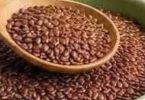
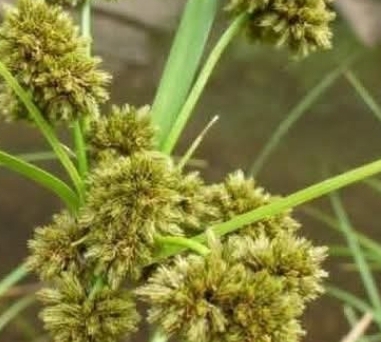

What Is Cyperus rotundus?
Commonly called nutgrass or purple nutsedge, and known in Ayurveda as Nagarmotha, it’s a perennial plant whose tubers (underground roots) are used medicinally.
It has a long history in:
Ayurveda
Traditional Chinese Medicine (TCM)
Unani medicine
Traditionally, it’s been used for digestive disorders, menstrual issues, fever, and inflammation.
🔬 What Does Modern Research Actually Support?
Most research so far is:
Animal studies
Cell (in vitro) studies
Limited small human trials
Here’s what appears reasonably supported:
✅ 1. Anti-Inflammatory Effects
Extracts of Cyperus rotundus show inhibition of inflammatory pathways (including COX activity) in lab studies.
However, this does not automatically mean it works like NSAIDs in humans.
✅ 2. Antioxidant Activity
The plant contains:
Flavonoids
Polyphenols
Sesquiterpenes (like cyperene)
These compounds show measurable antioxidant activity in lab settings.
⚖️ 3. Digestive Support (Most Traditionally Supported Use)
There is moderate traditional and preliminary research support for:
Carminative effects (reducing gas)
Mild antispasmodic activity
Support in functional digestive discomfort
This is probably its most plausible everyday benefit.
⚠️ Claims That Need Caution
❌ “Hormone Balancer”
There is no strong human clinical evidence proving it regulates hormones in a reliable, predictable way.
❌ “Weight Loss Herb”
Some animal studies suggest metabolic effects, but there is no solid human evidence that it directly promotes fat loss.
❌ “Adaptogen”
It is not classified among established adaptogens (like ashwagandha or rhodiola) based on clinical criteria.
❌ “Immune Booster”
Antimicrobial effects have been observed in lab studies — but this does not translate directly into meaningful immune enhancement in humans.
🌿 Potential Benefits (Realistic View)
It may:
Support mild digestive discomfort
Provide antioxidant support
Offer mild anti-inflammatory effects
Possibly support menstrual comfort (based on traditional use, not strong clinical trials)
🛠️ Forms & Safety
Common forms:
Powdered root
Decoction/tea
Standardized extract capsules
Essential oil (external use only)
Safety Notes:
Generally considered safe in moderate traditional doses
Avoid during pregnancy without professional guidance
May interact with hormone-sensitive conditions
Quality and standardization vary widely
Always consult a qualified practitioner before therapeutic use.
🧠 The Bigger Picture
Plants like Cyperus rotundus are fascinating because they show how traditional medicine often identified biologically active compounds long before modern pharmacology.
But:
It’s not a miracle herb
It’s not a cure-all
It’s not a replacement for medical care
It may be a supportive botanical, particularly for digestion.